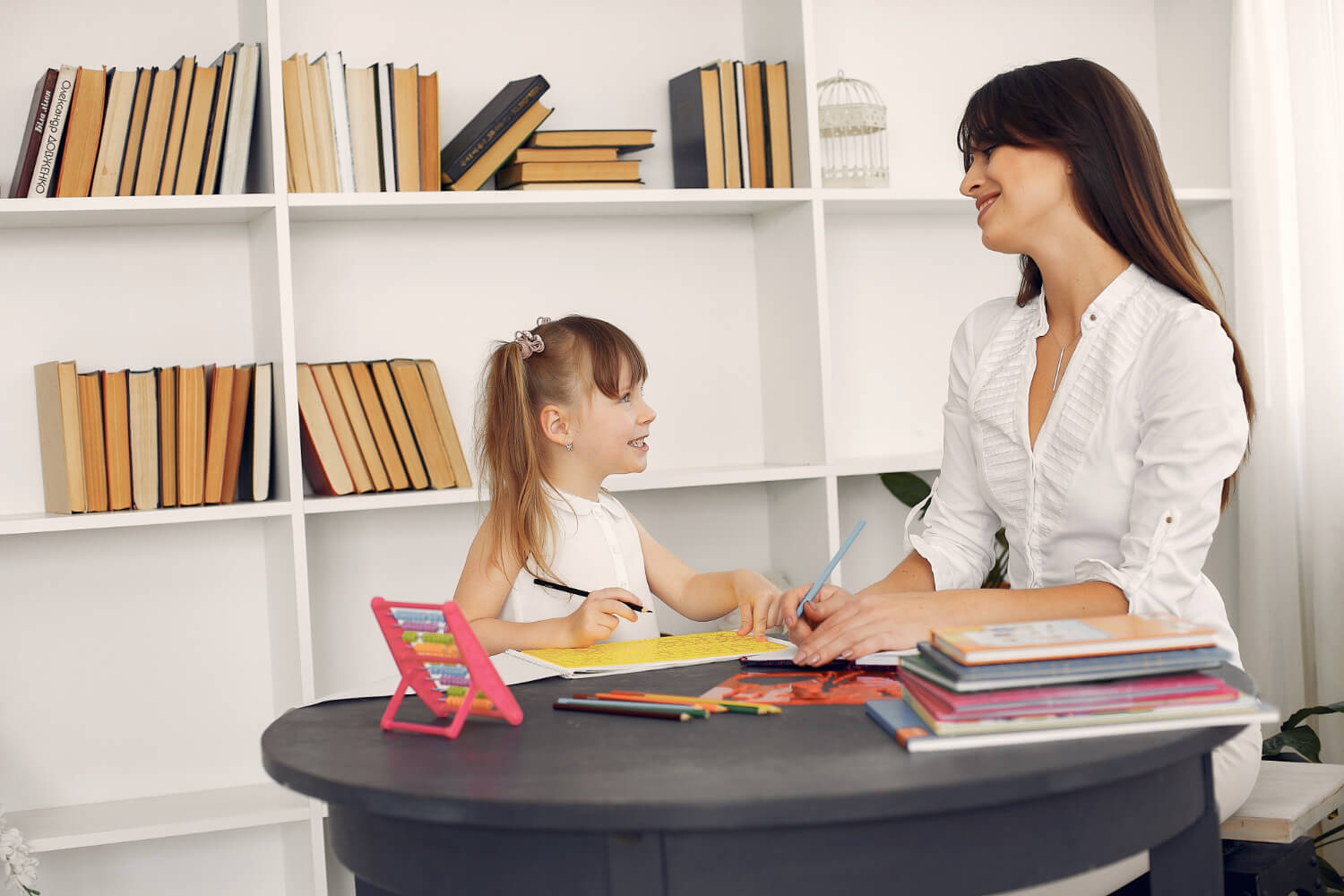
A book meant for kids needs more than bright pictures or a tale that holds attention. It must survive drops, grabs, and pulls. When ideas become actual pages, the printer shapes how well they last. Some factories cut corners, even if prices look tempting at first glance. Smudged ink or spines that split after two readings? That kind of outcome fades trust fast. Choosing different
childrens book printers means weighing detailed care against short-term savings. True color match matters. So does glue without harsh chemicals. A solid binding keeps stories alive longer. What feels like an extra cost now turns into a reputation down the road.
Why you should hire a writer for a book before approaching printers
Long before any print runs happen, real work on a proper book already unfolds. Great printers matter, yet even top machines can’t fix a tale missing rhythm or heart. That is when
hire a writer for a book often brings in help right at the start. Someone trained shapes timing well while adjusting words to fit how young readers grasp language. Sharp review turns raw pages into something worthy of fine binding and care. Every now and then, a clean manuscript handed to a manufacturer keeps expensive mistakes far away. Working smoothly with an experienced writer alongside a strong print shop often leads to something lasting. Something kids hold onto, again and again.
How to hire a writer for a book that matches your printing budget
Picking where your money goes - writing versus printing - is how some stay steady in the long run. Before choosing to hire a writer for a book, know just how much you’re ready to spend overall. Too often, writers blow through savings on words alone, forgetting there’s more to a kids’ book than pages. Look around. Ask different printers what they charge for things like thick paper or shiny covers. After locking down those numbers, only then does it become clear what feels fair to offer a writer. Money talks when every piece has its place. When you find specialists with adaptable options or niche guidance, getting strong writing becomes easier without stretching your budget. Done right, the tale shines while staying crafted for those meant to read it.
Essential layout tips for non fiction writers’ educational children’s books
Young minds need visuals that spark interest yet remain clear enough to understand. For
non fiction writers, learning materials can get heavy fast. The page flow should act like quiet guidance - moving eyes smoothly from fact to idea. Big labels stand out, while open areas around them give thoughts room to settle. Diagrams appear where they fit naturally, linking tightly with nearby words instead of just sitting there. Before printing begins, even spacing along the edges and sharp images matter most to avoid messy results later. Every corner placed just right makes the learning hit harder. Pages built with care earn the nod from grown-ups who pick books for kids. Getting these designs down means facts stay sharp while eyes keep moving across the page. Little minds stick with what looks clear, feels steady, and lands without fuss.
Why non fiction writers’ demand higher-resolution image printing for diagrams
Precision is the heartbeat of educational publishing, especially when complex concepts are distilled into visual aids. For non fiction writers’ work, the clarity of a diagram can be the difference between a child’s breakthrough and their confusion. Unlike whimsical illustrations in a storybook, technical graphics, maps, and charts rely on crisp lines and legible labels to convey accurate information. If the resolution is too low, fine details can blur or pixelate during the ink-transfer process. Rendering the educational tool ineffective. High-resolution printing ensures that every microscopic detail or geographical border is rendered with absolute sharpness. This technical standard is non-negotiable for authors who aim to establish authority in the educational niche. By demanding high-DPI output from their production partners, these creators guarantee that their books serve as reliable resources. Ultimately, sharp imagery reflects a commitment to quality that encourages deep learning and long-term retention.
Using a bio writer service to craft your "About the Author" page
Beyond the technical specifications and the narrative itself, your personal connection with the audience serves as a powerful marketing tool. Utilizing a
bio writer service allows you to transform a standard list of credentials into a compelling story. It resonates with parents and educators alike. This professional touch ensures that your "About the Author" page reflects the same level of quality as your printed illustrations. Establishing immediate credibility in a competitive market. An expert writer knows how to highlight your unique perspective and passion for children's literature. Making you relatable to your readers. When a parent flips to the back of your book, a well-crafted biography can be the deciding factor. It turns a one-time buyer into a loyal follower. Investing in professional brand storytelling ensures that your physical book represents a complete, polished package that stands out on any library shelf or bookstore display.

How a bio writer service helps build trust on your book’s back cover
The back cover of a book acts as a silent salesperson. Often serving as the final nudge a parent needs before heading to the checkout counter. Engaging a bio writer service ensures that this limited space is utilized with maximum efficiency to establish professional authority and warmth. When the text effectively communicates your background, mission, and dedication to early childhood development, it reassures the buyer that the content inside is trustworthy. A professionally polished biography eliminates the amateur feel. It often plagues
self-publishing titles, aligning your personal brand with the high manufacturing standards of your physical book. This strategic layer of credibility is essential for building a long-term relationship with your audience. By presenting a sophisticated and sincere persona, you prove to your readers that every element of the publication, from the storytelling to the back-cover copy, has been handled with the utmost care and professional expertise.
Should you hire a script writer to adapt your book for digital media?
In the modern publishing landscape, the life of a story often extends far beyond the physical pages of a printed book. Deciding whether to
hire a script writer to adapt your work for digital media is a strategic move. It can significantly broaden your audience. While your original narrative is designed for a reading experience, digital platforms like
YouTube, apps, or streaming services require a different structural approach focused on visual pacing and dialogue cues. A professional can translate your themes into a format that captures the fleeting attention spans of digital-native children. This transition allows your characters to live in new environments, creating multiple touchpoints for your brand. By investing in a high-quality script adaptation, you ensure that the essence of your storytelling remains intact. Evolving into a versatile asset. This forward-thinking strategy turns a single publication into a multi-dimensional franchise that thrives across various entertainment channels.
When to hire a script writer for interactive or rhyming children’s stories
Transitioning from a traditional book format to an interactive or rhyming digital experience requires a specialized skill set to maintain the story's rhythmic integrity. You should hire a script writer when your project moves beyond static pages. Into the realm of animation, apps, or toys. These experts understand how to preserve the delicate meter of your rhymes. Adding the technical cues necessary for voice-over and user interaction. Without this professional oversight, the charming "bounce" of a rhyming story can easily become clunky and awkward when adapted for audio.
- Preserving Meter: Ensures your rhymes remain consistent during character dialogue.
- Interactive Cues: Adds specific instructions for "touch-and-play" digital features.
- Audio Pacing: Structures the narrative to allow for sound effects and music.
- Character Voice: Develops distinct speaking styles for animated versions of your cast.
- Branching Paths: Creates scripts for stories where children choose their own adventure.
By securing professional scripting, you ensure your lyrical world remains enchanting across all media.
The benefit of ghost songwriters for musical "press-and-play" books
Integrating audio elements into your physical publication can transform a standard reading session into an immersive sensory experience. Many creators choose to collaborate with
ghost songwriters to develop the catchy, high-quality melodies required for "press-and-play" musical books. These professionals specialize in crafting simple yet memorable tunes. It resonates with early learners while ensuring the lyrics align perfectly with your book's theme. While you might find basic historical data on the evolution of children's music on
Wikipedia, a professional songwriter provides the creative edge needed for modern commercial success. Once these musical assets are embedded into your book’s hardware, they become powerful marketing tools. It can be easily shared across platforms like
Facebook to generate viral interest. This investment ensures that the audio quality of your project matches the premium standards of your printing. Creating a cohesive and delightful product that children will want to play on repeat.
Why ghost songwriters are essential for lyrical children’s lullaby books
Lullabies require a delicate balance of soothing rhythm and emotional resonance to be truly effective for bedtime routines. While a general search on Wikipedia might provide the structural history of traditional folk songs, it takes a specialized creative touch to compose a modern classic. This is why many authors choose to work with ghost songwriters to ensure their lyrical content is musically sound and easy to sing. These professionals understand the nuances of cadence and phonetic softness that help calm a restless child. Once your lullaby book is paired with a professionally composed melody, it becomes an irresistible package for parents seeking high-quality sleep aids. Sharing snippets of these soothing tracks on platforms like Facebook can quickly build a community of appreciative caregivers. By investing in professional musical composition, you ensure that your printed book offers a premium, multisensory experience that stands out in the competitive children's literary market.

Why "Good Enough" Isn't Enough for Premium Picture Books
In the high-stakes world of children’s publishing, the physical quality of your book is the silent ambassador of your brand. Settling for mediocre production standards can alienate discerning parents who equate tactile durability with educational value. When comparing various childrens book printers, it becomes clear that "good enough". Often leads to disappointing results, such as thin paper that tears easily or colors that lack the vibrancy of the original illustrations.
The Cost of Mediocrity
Choosing subpar materials might save money upfront, but it frequently results in higher return rates and negative reviews. A premium picture book must survive the rigorous handling of its young audience. Maintaining its visual integrity over hundreds of readings.
Excellence as a Standard
True premium quality requires a commitment to superior binding and high-grade finishes. This level of craftsmanship ensures that your book remains a cherished keepsake. Rather than a disposable item, solidifying your reputation as a top-tier creator.
Why CMYK Calibration is Critical for Your Illustrator’s Work
The bridge between a digital illustration and a physical page is built on the technical precision of color management. While your illustrator may create breathtaking, vibrant scenes on a high-definition monitor, those colors are rendered in an RGB light-based spectrum that differs significantly from physical ink. This is why CMYK calibration is a non-negotiable step when working with professional childrens book printers. Without proper synchronization, the brilliant neon greens and deep electric blues seen on screen can appear dull, muddy, or shifted once they are pressed onto paper. A calibrated workflow ensures that the "Cyan, Magenta, Yellow, and Key" values are adjusted to account for paper absorption and specific ink profiles. By insisting on this level of technical accuracy, you protect the artistic integrity of your illustrator’s hard work.
Why High-Quality Samples Are Worth the Initial Investment
Before committing to a massive production run, obtaining a physical proof is the most effective way to safeguard your financial resources and creative vision. Many authors hesitate at the added cost of prototyping, yet these high-quality samples serve as a vital insurance policy against manufacturing errors. When you receive a physical copy from childrens book printers, you can personally verify the paper's tactile feel, the strength of the spine, and the true vibrancy of the ink. Seeing your digital files transformed into a tangible object allows you to catch minor layout shifts or color discrepancies that are invisible on a computer screen. This preliminary step ensures that the thousands of units you eventually order meet the exact standards of excellence your brand promises. Investing in a professional sample today prevents the devastating expense of a faulty bulk shipment tomorrow, securing your reputation as a premium publisher.
Common Mistakes to Avoid When Finalizing Your Print Files
Even the most breathtaking story can be undermined by technical oversights during the final stages of production preparation. One of the most frequent errors authors make is neglecting the bleed and safety zones required by professional childrens book printers. If your illustrations do not extend past the trim line, you risk having unsightly white edges appear after the pages are cut. Additionally, failing to embed high-resolution fonts or neglecting to convert text to outlines can lead to unexpected character shifts during the plate-making process. Overlooking the spine width calculation is another common pitfall; a spine that is too narrow or too wide will cause your cover art to wrap awkwardly around the edges. Double-checking these technical specifications ensures a seamless transition from your digital files to a physical masterpiece.
Using Print Quality as a Unique Selling Point (USP)
In a marketplace saturated with digital content and flimsy mass-market paperbacks, the tactile excellence of a physical object can be your strongest marketing advantage. Positioning the superior craftsmanship of your work as a core brand promise allows you to stand out from the competition immediately. When you partner with elite childrens book printers, you are not just buying a manufacturing service; you are investing in a premium asset that parents perceive as a high-value gift. Highlighting features such as heavy-duty smudge-resistant pages, reinforced "library-style" binding, and soy-based non-toxic inks gives you a compelling narrative to share in your marketing campaigns. This commitment to physical integrity suggests that the stories inside are handled with equal prestige and care. By making exceptional print quality a central pillar of your brand identity, you justify a premium price point while building deep trust with your most discerning customers.
FAQs
1. How do I choose the best childrens book printers for my project?
Look for providers specializing in heavy-duty binding and child-safe, non-toxic inks to ensure both durability and safety.
2. What is the difference between offset and digital printing for kids' books?
Offset is cost-effective for large runs with superior color, while digital is ideal for small batches or print-on-demand needs.
3. Why is paper weight important in childrens book printers' quotes?
Thicker paper (high GSM) prevents tearing and "show-through," which is essential for books handled frequently by young children.
4. Can I get a physical sample before the full print run?
Yes, most premium printers offer a "press proof" to verify color accuracy and binding strength before mass production begins.
5. What is CMYK calibration, and why does my printer require it?
It aligns your digital art's colors with physical ink sets to ensure the printed illustrations look exactly like the original art.
6. Are there eco-friendly childrens book printers available?
Many modern facilities offer FSC-certified recycled paper and soy-based inks to meet the demands of environmentally conscious parents.
7. How do I calculate the spine width for my book cover?
The width depends on your page count and the specific paper thickness (PPI) provided by your manufacturing partner.
8. What is Smyth sewn binding?
It is a high-end technique where pages are stitched together, allowing the book to lay flat without the spine cracking over time.
9. Do childrens book printers handle international shipping?
Many large-scale manufacturers offer global logistics, though you should factor in customs fees and longer transit times.
10. How long does the printing process typically take?
Digital printing can take 2-3 weeks, while high-volume offset production often requires 8-12 weeks including shipping.
Conclusion
The physical lifecycle of your story depends on the craftsmanship behind its production. Navigating the complexities of manufacturing requires a balance of creative vision and technical precision to ensure your work thrives in the hands of young readers. By carefully evaluating childrens book printers, you protect your investment and uphold the professional standards that define a successful author brand. Whether you are refining your prose with expert writers or ensuring your illustrations pop with perfect CMYK calibration, every detail contributes to a premium experience. Choosing quality over shortcuts ensures that your book remains a durable, vibrant, and cherished part of a child's library for years to come.