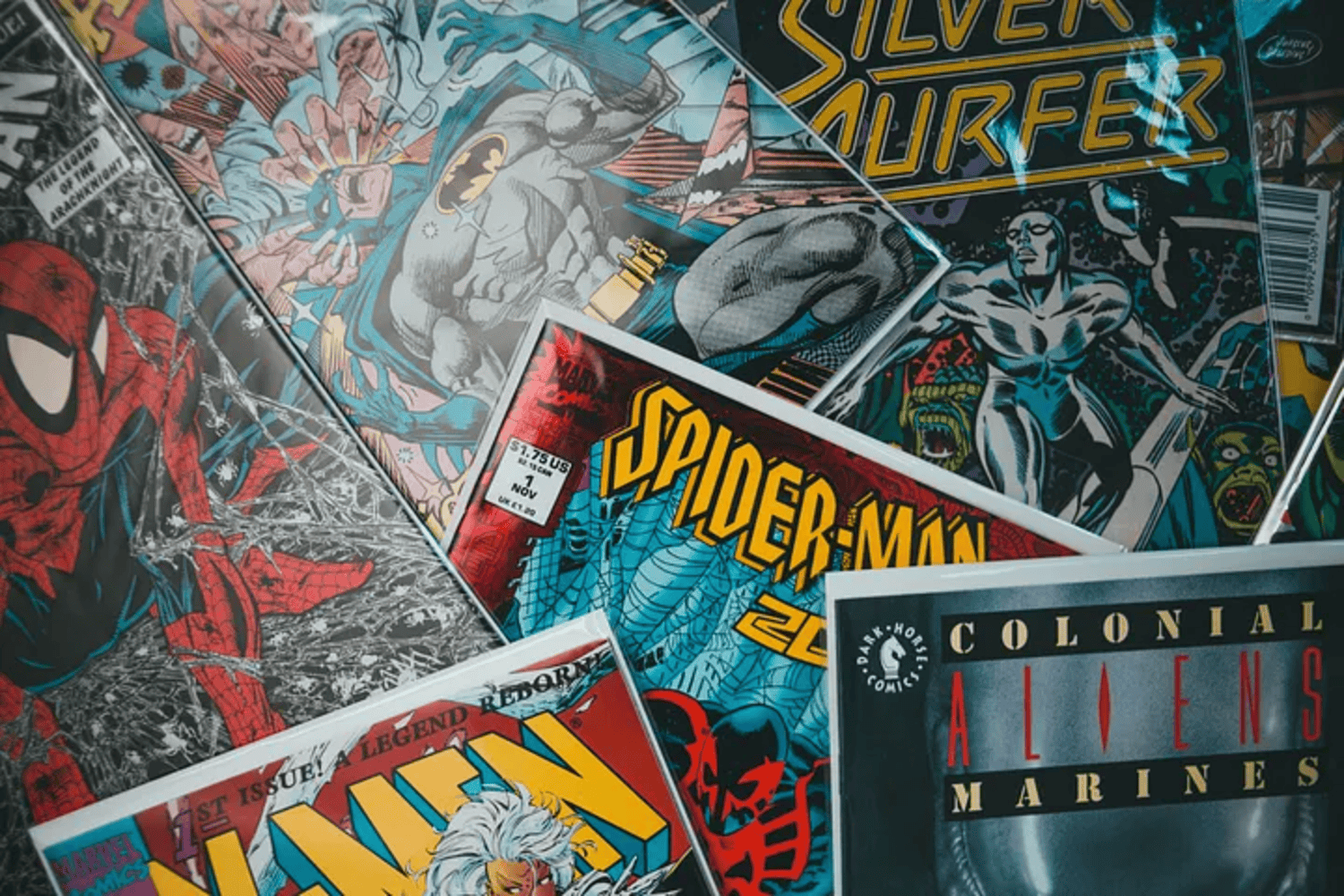
Comic books have captivated audiences for decades, blending art and storytelling in a way few other mediums can match. Their unique
comic book characteristics, from dynamic panel layouts and expressive artwork to carefully crafted dialogue, create an immersive reading experience that resonates with fans of all ages. Beyond just superheroes and fantastical worlds, comic books are a form of visual literature. It conveys emotion, action, and narrative with precision. Understanding these characteristics not only deepens appreciation for the art form. It also highlights why it remains so influential in popular culture. Whether you are a casual reader, aspiring Comic Book Writing enthusiast, or someone exploring professional Script Writing Services, exploring the distinctive traits of comic books reveals why this medium is truly unforgettable and continues to evolve across generations.
Visual Storytelling: Key comics characteristics Explained
One of the most striking aspects of comic books is their use of visual storytelling. A defining feature among comic book characteristics. Unlike traditional novels, comics rely on the seamless integration of art and text to convey emotion, action, and pacing. Panels, layout, and composition guide readers’ eyes, creating a rhythm that enhances narrative flow. Artists use perspective, color, and framing to emphasize key moments, while dialogue and narration complement the visuals without overwhelming them. This combination allows for subtle storytelling cues, from a hero’s tense posture to a background detail hinting at future events. Understanding visual storytelling as a core comics characteristic reveals why these works can evoke such a strong emotional response. For anyone exploring Comic Writing, mastering this balance between text and imagery is essential to crafting memorable, immersive stories.
How Panels and Layouts Define Comic Book
Panels and layouts are fundamental elements that shape the reader’s experience, making them one of the most crucial comics characteristics. Each panel acts as a building block, guiding the story’s rhythm and pacing while controlling how action and dialogue unfold. Layouts determine the sequence of events, influencing suspense, tension, and emotional impact. For instance, large, dramatic panels can highlight key moments. While smaller, rapid-fire panels can create a sense of urgency or chaos. The arrangement of panels also affects visual storytelling, directing the reader’s eye across the page in a deliberate manner. Mastering this aspect is essential in Comic Book Writing, as thoughtful panel design enhances narrative clarity and engagement. By combining artistic composition with story flow, panels and layouts transform simple illustrations into dynamic storytelling tools that make comic books a uniquely immersive
medium.
The Role of Art Style in Comic Book Characteristics
Art style is one of the most defining
comics characteristics that gives each comic book its distinct identity. From bold, exaggerated illustrations to subtle, realistic drawings, the visual approach sets the tone and mood of the story. Colors, line work, and shading all contribute to how readers perceive characters, emotions, and action, making the narrative more immersive. A darker, gritty art style can intensify suspense, while bright, whimsical illustrations create a lighter, adventurous atmosphere. Consistency in art style across panels and pages also helps maintain visual cohesion. Keeping readers engaged and connected to the story. Understanding the role of art style as a core comics characteristic allows both fans and creators to appreciate the thought and creativity behind every stroke, proving that the way a story looks can be just as powerful as the story itself.
Color Theory and Mood in Comic Book Characteristics
Color is a powerful element in comic books and one of the key comics characteristics that shapes mood and emotion. Artists use color palettes strategically to convey atmosphere, highlight important moments, and reflect characters’ emotions. Warm tones like reds and oranges can create excitement or tension, while cooler shades like blues and purples often evoke calm, sadness, or mystery. Contrast and saturation guide readers’ attention to specific panels or actions, making the narrative easier to follow and more impactful. Color theory also helps distinguish settings, time of day, and shifts in storytelling, adding depth to the visual experience. By mastering color choices, comic creators enhance storytelling and ensure that readers feel the intended emotions throughout the page. Understanding how color influences perception highlights why it is a vital characteristic in every successful comic book.
How Comic Book Writing Shapes Memorable Heroes and Villains
The way a story is written plays a crucial role in bringing characters to life, making
Comic Book Writing a key factor in creating memorable heroes and villains. Strong character development relies on well-crafted dialogue, internal thoughts, and actions that reveal personality and motivations. Writers use Comic Book Writing techniques to build compelling backstories, create conflicts, and establish relationships that make characters relatable or fearsome. Even subtle details, like a hero’s catchphrase or a villain’s signature gesture, can leave lasting impressions on readers. The balance between visual elements and textual storytelling ensures that characters feel dynamic and authentic. Creators can design heroes who inspire and villains who challenge, ensuring that the narrative remains engaging and memorable. This careful attention to writing transforms characters from simple illustrations into icons that endure in fans’ imaginations.
Techniques That Improve Comic Book Writing for Any Story
Improving the way a comic story is told requires understanding several key techniques that enhance narrative flow and engagement. Storyboarding before writing helps organize events visually, ensuring that pacing and panel transitions are effective. Character development is another crucial element, as well-rounded personalities make the plot more relatable and compelling. Writers also focus on dialogue that feels natural while conveying emotion and advancing the story. Balancing action sequences with quieter, reflective moments allows readers to connect with the narrative and stay invested. Additionally, planning arcs and plot twists in advance creates tension and anticipation without confusing the audience. By applying these methods, creators can elevate their storytelling, making each scene purposeful and memorable. These techniques demonstrate how thoughtful planning and creativity contribute to strong Comic Book Writing, resulting in stories that captivate readers from start to finish.
How Script Writing Services Help Perfect Comic Story Flow
Creating a seamless comic story requires careful planning and structure, which is where professional Script Writing Services play a crucial role. These services help organize plot points, ensuring that pacing and narrative transitions flow naturally from panel to panel. They assist in crafting dialogue that feels authentic and matches the tone of the characters, while also maintaining consistency throughout the story. By providing expert guidance on story arcs, character interactions, and scene sequencing, script writers help prevent confusion and maintain reader engagement. Even complex plots with multiple characters or timelines benefit from this level of professional input. For comic creators, leveraging Script Writing Services ensures that the story unfolds logically and captivates the audience. With the support of skilled writers, comic stories can achieve clarity, impact, and an immersive flow that keeps readers hooked from beginning to end.
Improving Storytelling With Professional Script Writing Services
Professional
Script Writing Services can significantly enhance the quality of a comic’s storytelling. By offering expert guidance on narrative structure, these services help ensure that each scene flows logically and keeps readers engaged. Writers analyze plot pacing, character development, and dialogue to create a cohesive and compelling story that resonates with audiences. They also provide feedback on how to balance action, exposition, and emotional beats, making the narrative more dynamic. For creators, collaborating with professional script writers allows for refining story arcs and resolving inconsistencies before publication. This attention to detail elevates the reading experience, making characters, conflicts, and settings more vivid and memorable. Ultimately, relying on Script Writing Services supports the creation of polished, well-structured comic stories that maintain clarity and captivate readers from start to finish, ensuring that every narrative choice serves the overall story.
Expanding Readership Through Professional Comic Book Translation
Reaching a wider audience is essential for any comic, and professional
Comic Book Translation plays a key role in achieving this. Translators work to preserve the story’s original tone, meaning, and nuances while adapting dialogue and narration for new languages. This ensures that the emotional impact, humor, and cultural references remain effective across different audiences. Accurate translation also maintains consistency in character voices and key plot elements, preventing confusion or loss of narrative clarity. By making comics accessible in multiple languages, creators can connect with international readers who might otherwise miss the story. Professional Comic Book Translation helps expand a comic’s global reach while respecting the original artwork and storytelling style. This allows fans from diverse backgrounds to experience the story fully, increasing readership and fostering appreciation for the creative and cultural richness of comics.
Enhancing Accessibility With Comic Enjoyer Translations
Making comics accessible to readers around the world requires more than simple translation, and this is where
Comic Enjoyer Translations play a crucial role. These translations focus on preserving the essence of the story while adapting cultural references and idioms so that readers from different backgrounds can fully understand and enjoy the narrative. They ensure that characters’ personalities, humor, and emotions are maintained, keeping the reading experience authentic and engaging. By enhancing accessibility, these translations allow fans who may not speak the original language to connect deeply with the story and artwork. For creators, using Comic Enjoyer Translations broadens the audience and strengthens international fan communities. This approach ensures that comics can transcend language barriers, making stories more inclusive and giving readers everywhere the chance to experience the creativity and excitement of the medium.
Why Comic Enjoyer Translations Are Key for International Audiences
For comics to reach and resonate with readers worldwide, Comic Enjoyer Translations are essential. They allow stories to cross language and cultural barriers without losing meaning or emotional impact. Properly adapted translations ensure that dialogue, humor, and character personalities are accurately conveyed, giving international audiences the same experience as native readers. This accessibility helps build a global fanbase and encourages appreciation for diverse storytelling styles. It also strengthens connections between creators and readers in different regions, fostering communities that celebrate the medium together. By providing translations that respect both narrative and artistic elements, Comic Enjoyer Translations make comics more inclusive and widely enjoyable. Ultimately, these translations play a key role in sharing the creativity, imagination, and excitement of comic books with audiences everywhere, ensuring that stories are understood, appreciated, and loved across the globe.
Analytical Tools for Studying Comic Book Writing
Studying the craft of comics requires more than casual reading, and Comic Writing can be analyzed effectively using a variety of analytical tools. These tools help break down narrative structure, pacing, and character development, allowing creators and enthusiasts to understand how stories maintain engagement. Techniques like storyboarding, beat analysis, and panel sequencing offer insights into how dialogue, action, and visuals interact to convey meaning. By examining these elements, one can identify patterns that make certain comics memorable or impactful. Analytical tools also help highlight strengths and weaknesses in writing, offering guidance for improving plot coherence and character consistency. For writers and scholars alike, studying Comic Writing through these methods provides a deeper appreciation of the medium. It reveals how deliberate choices in storytelling contribute to the overall effectiveness and emotional resonance of a comic book.
Panel Transitions and Their Role in Comic
Panel transitions are a fundamental aspect of visual storytelling and an essential component that influences how readers experience a story. The way one panel flows into the next can create rhythm, build suspense, or emphasize action, shaping the overall pacing of the comic. Smooth transitions guide the reader’s eye naturally across the page, helping them follow complex sequences without confusion. Different types of transitions, such as moment-to-moment, action-to-action, or scene-to-scene, serve distinct storytelling purposes, each adding nuance to the narrative. Thoughtful panel transitions also enhance emotional impact, allowing dramatic moments to resonate more deeply. Understanding this comic's characteristic helps creators craft immersive, visually engaging stories, while readers gain a greater appreciation for the careful planning behind each page. Mastery of panel transitions ensures that a comic maintains clarity, coherence, and excitement throughout the narrative.
How Humor Can Be Illustrated Visually
Humor in comics often relies on visual cues to deliver impact and timing. Facial expressions, body language, and exaggerated gestures can convey comedic moments more effectively than words alone. The arrangement of panels and pacing between scenes can also enhance jokes, creating pauses or surprise reveals that heighten the humor. Background details, such as props, environmental gags, or subtle visual contrasts, add layers of comedy for attentive readers. Even the style of drawing, cartoony exaggeration versus realistic depiction, can influence how humor is perceived, allowing artists to tailor comedic effect to the story’s tone. Thoughtful visual timing ensures that punchlines land naturally, while repeated motifs or running gags build familiarity and anticipation. By mastering these techniques, creators can make humor an integral part of the storytelling, engaging readers and adding a memorable, lighthearted dimension to the comic experience.
Maintaining Continuity Across Story Arcs
Maintaining continuity across story arcs is crucial to keeping readers engaged and invested in a comic series. Consistent character traits, established relationships, and ongoing plotlines ensure that the narrative remains coherent and believable. When details are carefully tracked, events in earlier issues can have meaningful consequences in later ones, creating a sense of progression and depth. Visual consistency, including character design, settings, and costumes, also helps readers immediately recognize elements from previous scenes. Writers and artists often use reference materials, style guides, and detailed notes to track continuity throughout multiple issues. Small details, such as recurring props or consistent character behavior, reinforce the world-building and maintain immersion. By prioritizing continuity, creators can craft story arcs that feel interconnected and purposeful, rewarding long-term readers while making the overall series more satisfying, cohesive, and memorable.
How Background Details Enrich a Story
Background details play a subtle but powerful role in enhancing a comic’s narrative. Carefully crafted environments provide context for the story, revealing time, location, and atmosphere without needing explicit explanation. Objects, scenery, and small visual cues can hint at plot developments, foreshadow events, or reflect a character’s personality and emotions. Even minor elements, such as a poster on a wall or a discarded item, can add depth and realism, making the world feel lived-in and engaging. Backgrounds also help establish tone, whether it’s a dark alley creating tension or a bright park conveying lightheartedness. Artists can use repetition of certain visual motifs to reinforce themes and storytelling threads. By paying attention to these often-overlooked elements, creators enrich the reader’s experience, allowing the story to feel more immersive, layered, and dynamic while enhancing the overall visual storytelling.
FAQs
1. What are the key characteristics that define a comic book?
Comic books combine visual storytelling, panel layouts, dialogue, art style, and pacing to create an immersive narrative experience.
2. How do panels and layouts impact a comic’s story?
Panels and layouts guide the reader’s eye, control pacing, and highlight important actions, making the story clear and engaging.
3. Why is color important in comics?
Color sets mood, conveys emotion, emphasizes focus, and distinguishes settings, enhancing the overall storytelling experience.
4. What role does character design play in comics?
Character design communicates personality, emotions, and identity, helping readers connect with heroes and villains.
5. How does comic writing influence the story?
Strong writing develops plot, dialogue, and character arcs, making stories coherent and memorable.
6. Why are script writing services useful for comics?
They help organize plots, refine dialogue, and ensure smooth story flow for professional-quality comics.
7. How does translation expand a comic’s audience?
Professional translation adapts language and cultural references, allowing international readers to enjoy the story.
8. What is visual storytelling in comics?
It’s the use of art, panel sequence, and imagery to convey narrative and emotion without relying solely on words.
9. How do background details enhance a comic book?
They provide context, foreshadow events, and enrich the setting, adding depth to the story.
10. Why is continuity important across story arcs?
Consistency in plot, character behavior, and visual elements ensures a coherent and engaging experience for readers.
Conclusion
Comic book characteristics remain an unforgettable medium because of the careful combination of storytelling, visuals, and creativity that defines them. Every element, from panels and layouts to art style, color, and background details, contributes to an immersive experience that draws readers in and keeps them engaged. Techniques such as visual humor, suspense, and thoughtful scene composition further enhance the impact, while attention to continuity ensures a coherent and satisfying narrative across story arcs. The collaboration of writers, artists, and translators expands the reach and accessibility of these stories to audiences worldwide. Understanding the unique characteristics of comic books allows readers to appreciate the artistry behind each page and inspires creators to craft more compelling stories. Ultimately, it is this intricate balance of elements that makes comic books timeless, dynamic, and endlessly captivating.


 Jacks Sebastians